Laguna de los Tres
A realistic guide to hiking Laguna de los Tres in El Chaltén — covering trail difficulty, weather, timing, and what to expect on the hike to Fitz Roy.
Local Patagonia advice • Weather & safety focused
Overview of the Laguna de los Tres Hike
The Laguna de los Tres hike is widely considered the most iconic trail in El Chaltén, offering direct views of Mount Fitz Roy from the shores of a glacial lake. The route combines long, gradual sections with a short but demanding final climb, making it a rewarding day hike for well-prepared hikers.
Distance
Approximately 20–22 km (12–14 miles) round trip
Elevation gain
Around 1,000 meters (3,300 ft)
Typical hiking time
7–9 hours, depending on pace, conditions, and time spent at the lake
Distance
Approximately 20–22 km (12–14 miles) round trip
Elevation gain
Around 1,000 meters (3,300 ft)
Typical hiking time
7–9 hours, depending on pace, conditions, and time spent at the lake
For much of the hike, the trail is well-defined and moderately graded, passing through forest, river valleys, and open terrain. This steady approach allows hikers to make good time and conserve energy—an important factor given what comes at the end.
The final ascent begins after reaching the moraine above Laguna de los Tres. Here, the trail becomes steep and direct, climbing quickly over loose rock and dirt with little relief. Wind exposure increases, and footing can be unstable, especially in cold or snowy conditions. While this section is short, it requires focus, steady pacing, and enough energy to finish strong.
What makes Laguna de los Tres so special is not just the destination, but the feeling of arriving there under your own power. With realistic expectations, proper timing, and respect for conditions, this hike is achievable for many visitors and often becomes the highlight of their time in Patagonia.
Laguna de los Tres Difficulty
The final kilometer of the Laguna de los Tres hike is the most demanding part of the trail and is where many hikers are caught off guard. After several hours of gradual hiking, the route steepens sharply, gaining significant elevation over loose rock, dirt, and sometimes snow or ice. There are no switchbacks to ease the climb, and exposure to wind and cold increases as you gain height.
A common mistake is underestimating this final section. Many hikers reach the base of the climb already tired, only to discover that the steepest and most physically demanding part of the hike is still ahead. In windy or cold conditions, this section can feel much harder than expected, especially for those unfamiliar with sustained uphill terrain.
Who Should Consider a Guide
A local guide is strongly recommended for hikers who are unsure about weather conditions, pacing, or route management. Guides help with:
- Setting a realistic pace
- Timing the hike for the best weather and visibility
- Making conservative decisions if conditions change
This is especially valuable during shoulder seasons or when forecasts are unstable.
Who Should Consider a Porter
A porter can make a significant difference for hikers carrying heavy packs, photography equipment, or multi-day gear.
Reducing pack weight greatly improves balance and energy levels on the final ascent and can be the difference between enjoying the view and struggling through it.
Knowing When to Turn Around
Turning around is not a failure. Strong winds, poor visibility, icy footing, or exhaustion are valid reasons to stop short of the summit. Fitz Roy and Laguna de los Tres will still be there on a better day. Safe decision-making is a core part of hiking in Patagonia.
The difficulty of Laguna de los Tres comes not from technical climbing, but from terrain, weather exposure, and fatigue. Understanding this in advance allows you to plan realistically and enjoy the hike safely.
Weather & Visibility at Laguna de los Tres
Weather is the single most important factor influencing the Laguna de los Tres experience. Unlike many popular hikes, conditions here are driven less by rain totals and more by wind strength, cloud movement, and timing. Understanding how these elements interact can make the difference between clear views of Fitz Roy and a completely obscured lake.
Wind plays a major role, especially above tree line and near the final ascent. Even on days without precipitation, strong winds can bring cold air, reduce visibility, and make the final climb feel significantly more demanding. Gusts can also push clouds quickly across the massif, opening and closing short visibility windows throughout the day.
For this reason, mornings are often the best time to hike Laguna de los Tres. Early hours tend to have calmer winds and more stable conditions, with clearer views before cloud cover and stronger gusts build later in the day. Many of the best Fitz Roy views occur in brief morning windows that are missed by hikers starting late.
Standard weather apps are often misleading in Patagonia. Daily icons like “cloudy” or “partly sunny” do not reflect how fast conditions change in the mountains or how localized weather can be around Fitz Roy. A forecast showing clouds does not necessarily mean poor visibility all day, just as a clear icon does not guarantee calm conditions at the lake.
This is why timing matters more than daily forecasts. Looking at hourly wind trends, cloud movement, and short-term models provides far more useful information than relying on a single summary. Planning your start time around these factors greatly increases your chances of safe conditions and clear views at Laguna de los Tres.
What to Pack for Laguna de los Tres
Layering system
Base layer, insulating layer, and an outer shell. Temperatures can change quickly, especially near the lake.
Wind protection
A waterproof, windproof jacket is essential. Wind often matters more than rain on this hike.
Trekking poles
Highly recommended for the final ascent and descent, particularly on loose or uneven terrain.
Food & water
Bring enough water for a full day (at least 1.5–2 liters) and high-energy snacks or lunch.
Sun protection
Sunglasses and sunscreen are important, even on cooler or cloudy days due to strong UV exposure.
Layering system
Base layer, insulating layer, and an outer shell. Temperatures can change quickly, especially near the lake.
Wind protection
A waterproof, windproof jacket is essential. Wind often matters more than rain on this hike.
Trekking poles
Highly recommended for the final ascent and descent, particularly on loose or uneven terrain.
Food & water
Bring enough water for a full day (at least 1.5–2 liters) and high-energy snacks or lunch.
Sun protection
Sunglasses and sunscreen are important, even on cooler or cloudy days due to strong UV exposure.
Optional But Smart
- Hat and gloves (even in summer)
- Small first aid kit
- Headlamp (for early starts or delays)
Best Time of Year to Hike Laguna de los Tres
Laguna de los Tres can be hiked year-round, but the experience changes significantly depending on the season. Understanding these differences helps set realistic expectations and choose the right timing for your goals.
Summer (December – February)
Most popular and most accessible
Long daylight hours
Snow-free trail most of the time
Warmer temperatures
Highest number of visitors
Summer offers the easiest conditions for most hikers, but also brings stronger winds and crowds. Early starts are especially important to avoid both weather changes and trail congestion.
Shoulder Seasons (October–November & March–April)
Best balance of conditions and solitude
Fewer people on the trail
Cooler temperatures
Variable weather and possible snow on the final ascent
Shorter daylight hours
These months can offer excellent hiking and photography opportunities, but conditions change quickly. Flexibility and careful weather timing are essential during shoulder seasons.
Winter (May – September)
For experienced hikers only
Snow and ice on the trail
Limited daylight
Colder temperatures and stronger exposure
Increased technical difficulty
Winter ascents require proper equipment, experience, and conservative decision-making. A guide is strongly recommended, and many visitors choose alternative hikes during this period.
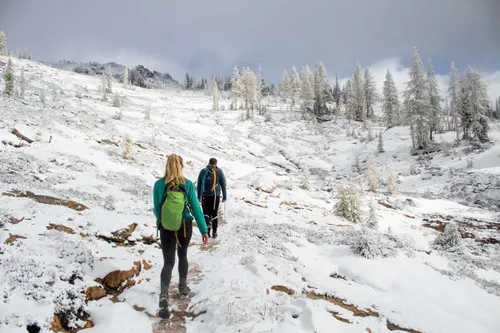
Choosing the Right Time
There is no single “best” month for everyone. Summer offers accessibility, shoulder seasons offer quieter trails, and winter demands experience and preparation. The key is matching the season to your comfort level, flexibility, and expectations — and planning around weather windows rather than fixed dates.
Guided Hikes, Porters & Photography
Some hikers prefer to move independently, while others value having experienced local support. Both approaches are valid. The right choice depends on conditions, pack weight, and personal comfort level.
A local guide can help with pacing, weather timing, and decision-making throughout the hike. This is especially helpful in variable conditions or during shoulder seasons, when wind, clouds, and trail conditions can change quickly. Guides provide context, not pressure, and help ensure the day unfolds safely and realistically.
Porter services are a practical option for hikers carrying heavy packs, camera equipment, or multi-day gear. Reducing weight can significantly improve balance and energy on the final ascent, allowing hikers to focus on the experience rather than fatigue.
For couples, elopements, or once-in-a-lifetime trips, professional photography allows you to fully enjoy the hike while capturing the moment without distraction. Photography services are offered with the same conservative approach to timing and conditions.
If you’re considering any of these options, you can explore available services here:
Planning With Confidence
Hiking in Patagonia rewards patience and realistic planning. Local knowledge is not about pushing objectives, but about understanding when to move, when to wait, and when to turn around.
Advice here is intentionally conservative and focused on safety, visibility, and conditions on the ground. There is no pressure to rush the hike or force a summit if the weather does not cooperate. Laguna de los Tres will still be there on a better day.
With the right expectations and timing, most hikers can enjoy this trail safely and comfortably. Planning around conditions rather than fixed schedules leads to better experiences and fewer risks.
Frequently Asked Questions
Is Laguna de los Tres difficult?
Laguna de los Tres is a moderate to strenuous day hike. While much of the trail is gradual, the final kilometer is steep and physically demanding, especially after several hours of hiking. Most reasonably fit hikers can complete it with proper pacing and preparation, but it should not be underestimated.
How long does the Laguna de los Tres hike take?
Most hikers take 7 to 9 hours round trip, depending on pace, conditions, and time spent at the lake. Strong winds, snow, or heavy crowds can increase hiking time, so starting early is recommended.
Is it dangerous in bad weather?
In poor weather, the hike can become significantly more challenging. Strong winds, low visibility, cold temperatures, and icy footing are common risk factors near the final ascent. Many accidents are the result of hikers continuing despite deteriorating conditions. Turning around early is often the safest decision.
Can beginners do this hike?
Yes, many beginners successfully hike Laguna de los Tres, but only with realistic expectations. Good fitness, proper clothing, early starts, and favorable weather are key. Beginners should be especially cautious about the final climb and avoid hiking in unstable conditions.
Do I need a guide for Laguna de los Tres?
A guide is not mandatory, but it can be very helpful for hikers who are unfamiliar with mountain weather, visiting during shoulder seasons, or unsure about pacing and timing. Guides assist with decision-making and weather interpretation rather than pushing objectives.